

The Questions People Ask a Whistlemaker
Misha Somerville answers questions often asked about an unusual and incredible profession.
A low whistle is a simple woodwind instrument - a tube with finger holes and a fipple mouthpiece - pitched an octave below the familiar tin whistle, with a deeper, breathier and more haunting voice. It belongs to the oldest family of melodic instruments in the world.
In 2008, a small flute carved from the wing bone of a griffon vulture was excavated from the Hohle Fels cave in southern Germany. Dated to around 40,000 years old - a time when Neanderthals and modern humans still shared the planet - it is the oldest known musical instrument yet found, and remarkably, modern replicas of it still play.
Since prehistoric times the whistle has woven its way through human history - from the tribes of Papua New Guinea to the Celts of outlying Europe. It is an instrument with many forms and a colourful past, so widespread it appears in almost every culture on earth.
In recent times the low whistle found its strongest voice in the hands of Celtic musicians - Irish, Scottish, Breton and Basque. Davy Spillane's playing in Riverdance carried the instrument to a whole new audience; he played a low whistle built by Bernard Overton, and in the decades since a new generation of makers and players has carried it forward.
Unlike many instruments and styles, the low whistle has somehow avoided being formalised. There is little in the way of "accepted technique" - it's more a case of however you feel like playing. That freedom is exactly why it has held onto so much character, and why it remains an instrument synonymous with the folk.
Most players start on a low D - the most common key, and the one most session and recorded music is written around. From there the family extends up and down: low F, G, A and higher, right down to the bass.
Every mk whistle is precision-machined and hand-finished in our Glasgow workshop - every instrument made by us, never bought in or rebadged. It's a way of working that pairs the accuracy of the machine with the judgement of the maker, and it's what lets us hold the fine tolerances a good whistle depends on.
Choosing your whistle
The history of the whistle
- Why aren't tin whistles made from tin?
Modern whistle making
- Practical skills, academia and the future
The Chameleon (chromatic)
- Birth of the mk Chameleon - the full story.
- A chromatic whistle? (2010) - the original idea.
Whistle care
Ready to choose?
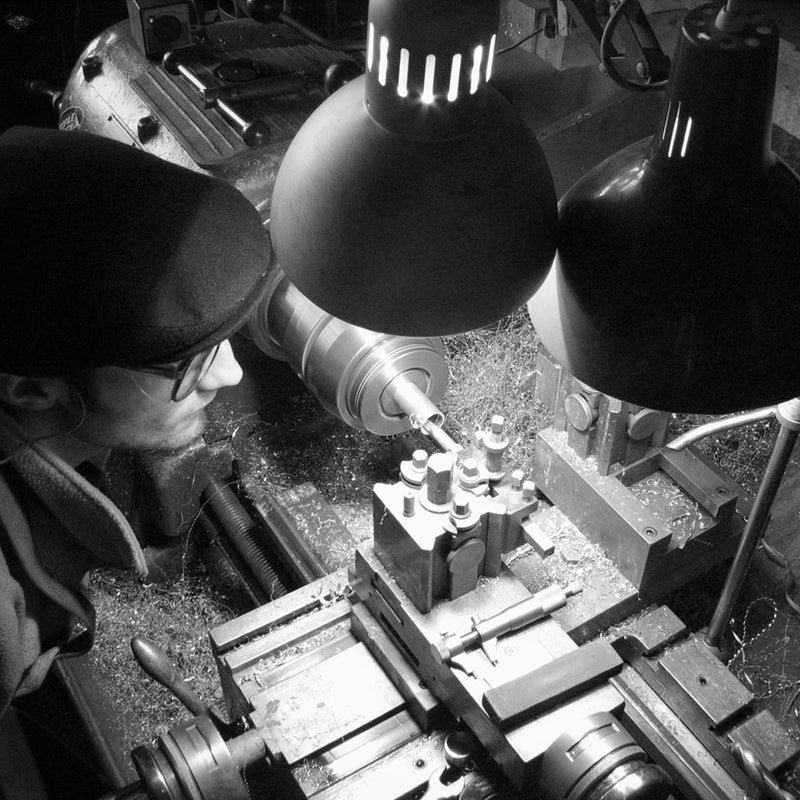
Misha Somerville answers questions often asked about an unusual and incredible profession.
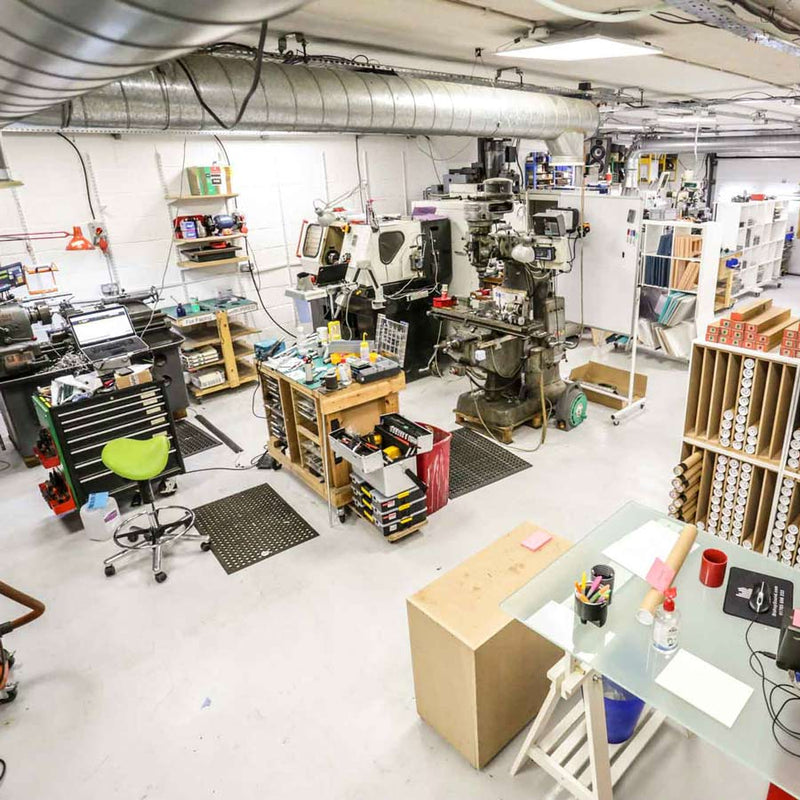
Old oily machines and state-of-the-art technology join forces in the mk workshops.
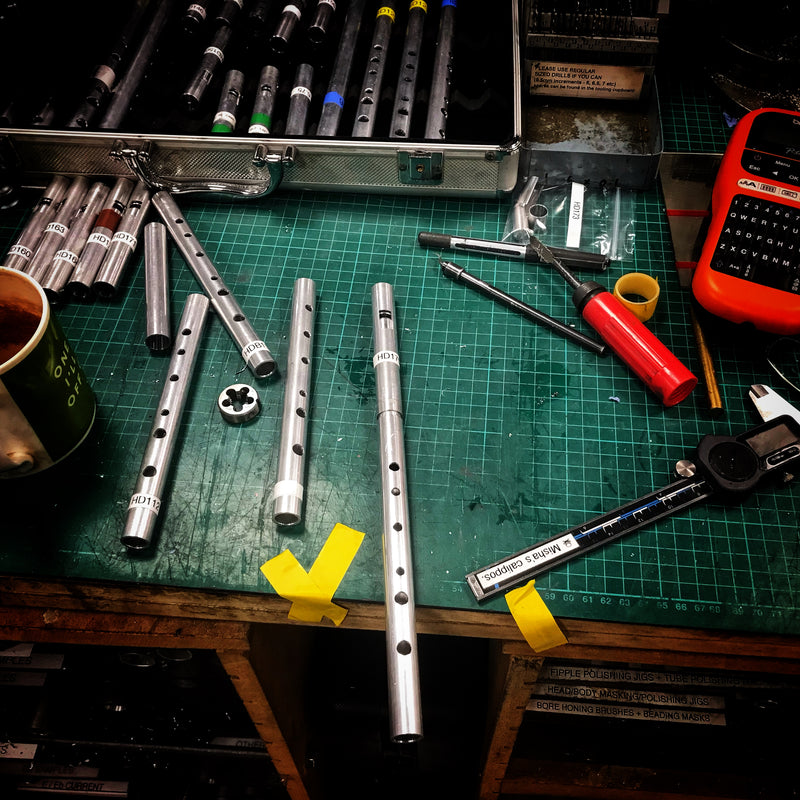
Long term MK-er Liam Hickson asks the questions he wants to ask after 5 years of anticipation, waiting for the mk Midgie High D Whistle.

